
In today’s fast-moving digital age, it’s easy to feel overwhelmed, anxious, or disconnected. But there’s a simple, scientifically proven practice that helps bring balance and clarity back into your life: Mindfulness Meditation.
This article explores what mindfulness meditation is, its mental and physical benefits, different techniques, and how to get started — even if you’ve never meditated before.
What Is Mindfulness Meditation?
Mindfulness meditation is a mental training practice that teaches you to slow down racing thoughts, let go of negativity, and calm both your mind and body. It involves paying attention to the present moment — on purpose, and without judgment.
It draws from ancient Buddhist traditions but has gained immense popularity in secular settings, including workplaces, schools, and therapy clinics, due to its accessible nature and powerful health benefits.
How Mindfulness Meditation Works
The core of mindfulness meditation is awareness. During the practice, you bring your attention to something specific — usually the breath, bodily sensations, or sounds — and gently return to that focus whenever your mind wanders (which it naturally will).
This returning of attention builds mental strength, clarity, and resilience over time.
Benefits of Mindfulness Meditation
Mindfulness is more than just a moment of peace — it leads to lasting changes in the brain and body. Backed by hundreds of scientific studies, here are the top proven benefits:
1. Reduces Stress and Anxiety
Mindfulness activates the parasympathetic nervous system, calming the body and reducing the effects of chronic stress.
2. Enhances Focus and Memory
Practising mindfulness improves cognitive functions like attention span and working memory — making you more efficient and mentally sharp.
3. Boosts Emotional Health
It helps reduce symptoms of depression, enhances emotional regulation, and promotes a more compassionate outlook toward yourself and others.
4. Improves Sleep Quality
By calming the mind, mindfulness meditation reduces insomnia and improves sleep patterns — naturally and drug-free.
5. Strengthens Physical Health
Mindfulness has been linked to lower blood pressure, improved immune function, and better management of chronic pain.
Types of Mindfulness Meditation Techniques
There are many ways to practise mindfulness. Here are the most common:
1. Breath Awareness
Focus on your breathing — inhale, exhale — and bring your mind back to it whenever it drifts.
2. Body Scan Meditation
Move your awareness slowly through the body, noticing any tension or sensations without reacting.
3. Mindful Eating
Pay attention to the texture, taste, and smell of each bite. Helps prevent overeating and improves digestion.
4. Walking Meditation
Walk slowly and intentionally, noticing each movement, step, and breath.
5. Mindful Listening
Be fully present during conversations without interrupting or forming a response in your head.
How to Start a Simple Mindfulness Practice
You don’t need to be a monk or find the perfect cushion to meditate. Here’s how beginners can start:
✅ Step 1: Find a Quiet Spot
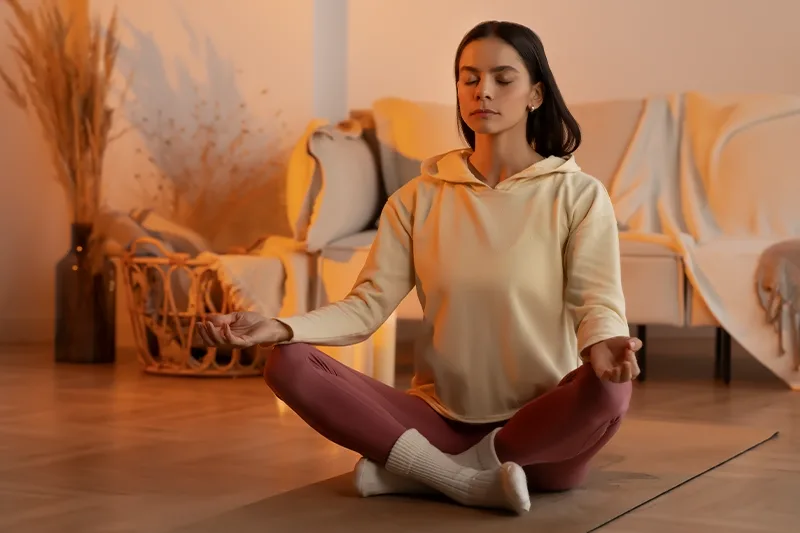
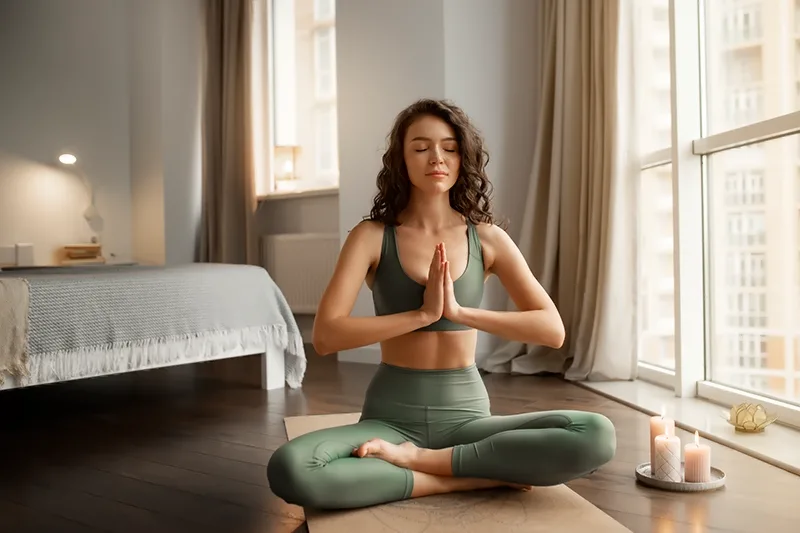
Sit comfortably in a chair or on the floor. Keep your spine upright but relaxed.
✅ Step 2: Focus on Your Breath
Pay attention to the natural flow of your breath — in and out.
✅ Step 3: Notice Distractions
Your mind will wander. That’s normal. Simply acknowledge the distraction and gently return to your breath.
✅ Step 4: Start Small
Begin with 5 minutes a day. Gradually increase to 10–20 minutes as it becomes a habit.
Mindfulness in Daily Life
You don’t have to sit in silence to be mindful. Here’s how to incorporate mindfulness into everyday tasks:
- While brushing your teeth — notice the sensation and movement.
- While drinking tea or coffee — savour the warmth and aroma.
- While walking — feel the ground beneath your feet.
- During screen breaks — take a few breaths and notice your body.
Final Thoughts: The Power of Being Present
Mindfulness meditation is a powerful yet simple way to reconnect with yourself, improve your mental clarity, and bring calm into your daily life. Whether you’re seeking better focus, emotional balance, or just a moment of stillness, mindfulness offers a path that’s accessible to everyone — one breath at a time.