
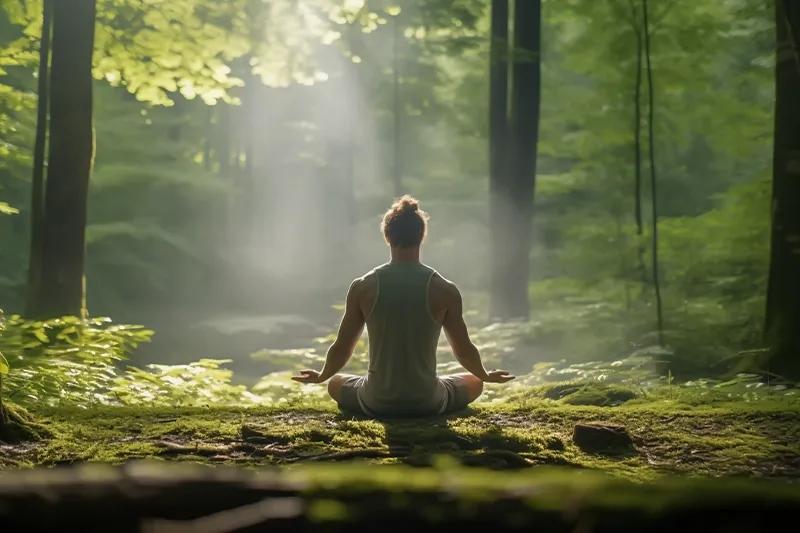
In a fast-paced world filled with noise, distractions, and mounting stress, many are turning to an age-old practice that offers peace, clarity, and resilience: meditation. More than just a buzzword, meditation has evolved from its spiritual roots into a scientifically recognised tool for mental and physical well-being.
In this comprehensive guide, we’ll explore what meditation is, its powerful benefits, popular techniques, and practical tips to begin your own meditation journey — all backed by research and timeless wisdom.
What Is Meditation?
Meditation is the practice of training your mind to focus and redirect thoughts. It is a mental exercise that involves relaxation, focus, and awareness. While often associated with Eastern spiritual traditions like Buddhism and Hinduism, meditation is now widely practiced across the globe in secular contexts for its numerous health benefits.
At its core, meditation is about being present in the moment — learning to observe thoughts and emotions without judgment.
The Proven Benefits of Meditation
Scientific studies have confirmed what ancient traditions have known for centuries: meditation changes the brain and body in remarkable ways.
1. Reduces Stress and Anxiety
Meditation lowers cortisol levels (the stress hormone) and activates the parasympathetic nervous system, helping the body relax. Mindfulness meditation, in particular, has shown significant results in reducing anxiety symptoms.
2. Improves Focus and Concentration
Meditation strengthens the brain’s attention networks. Even brief daily practice can lead to improved memory, mental clarity, and task performance.
3. Enhances Emotional Well-being
Regular practice increases positive emotions and decreases depression. Meditation fosters emotional resilience and a balanced perspective on life.
4. Promotes Better Sleep
By calming the mind and reducing racing thoughts, meditation helps combat insomnia and improves sleep quality.
5. Supports Physical Health
Studies link meditation to lower blood pressure, improved immune function, and even reduced perception of pain. It’s a natural tool for holistic health.
Different Types of Meditation
There’s no one-size-fits-all. Different types of meditation serve different needs. Here are some of the most popular:
1. Mindfulness Meditation
Originating from Buddhist teachings, this involves observing thoughts, sensations, and emotions non-judgmentally. It’s the most studied form and is widely used in therapy and wellness programs.
2. Guided Meditation
Ideal for beginners, guided meditations involve a teacher or app guiding you through a mental journey—often visualisations for relaxation, healing, or self-discovery.
3. Transcendental Meditation (TM)
A silent mantra-based practice, TM involves repeating a specific word or sound to transcend ordinary thought and reach deep restfulness.
4. Loving-Kindness Meditation (Metta)
This form focuses on cultivating compassion and goodwill towards yourself and others. It’s known to enhance empathy and emotional intelligence.
5. Body Scan Meditation
Popular in mindfulness-based stress reduction (MBSR), this involves scanning your body from head to toe, bringing awareness to each area.
How to Start Meditating (Even If You’ve Never Tried Before)
Getting started with meditation doesn’t require special equipment or a spiritual background. Follow these simple steps:
✅ Find a Quiet Space
Choose a calm environment where you won’t be disturbed.
✅ Choose a Comfortable Position
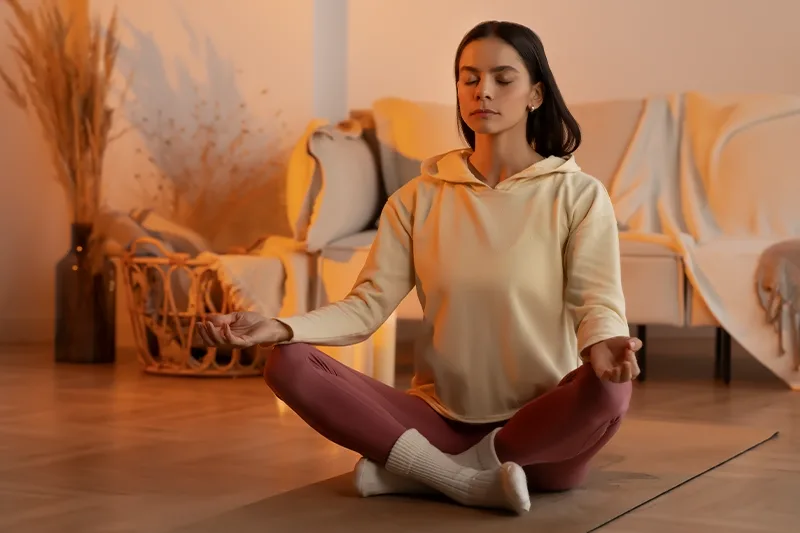
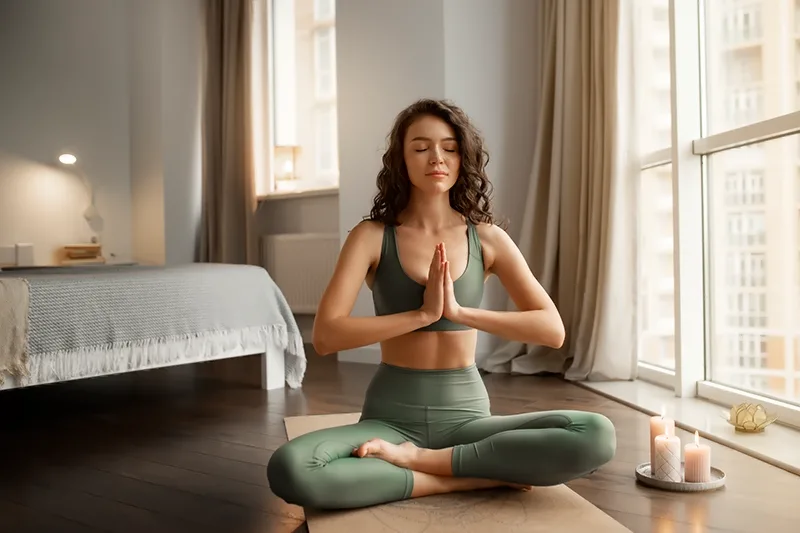
Sit on a chair or the floor with a straight spine. You can also lie down, but avoid falling asleep..
✅ Set a Timer
Start with 5–10 minutes. Gradually increase as you become more comfortable.
✅ Focus on Your Breath
Breathe naturally. Observe the inhale and exhale. When your mind wanders (and it will), gently return your focus to your breath.
✅ Be Kind to Yourself
Don’t aim for perfection. Meditation is about practice, not performance.
Conclusion: A Small Habit With Life-Changing Impact
Meditation is a simple, accessible, and transformative tool. Whether you seek peace of mind, better health, or deeper self-awareness, the benefits of meditation are profound and proven.
Start today — one breath at a time — and unlock the powerful stillness within.